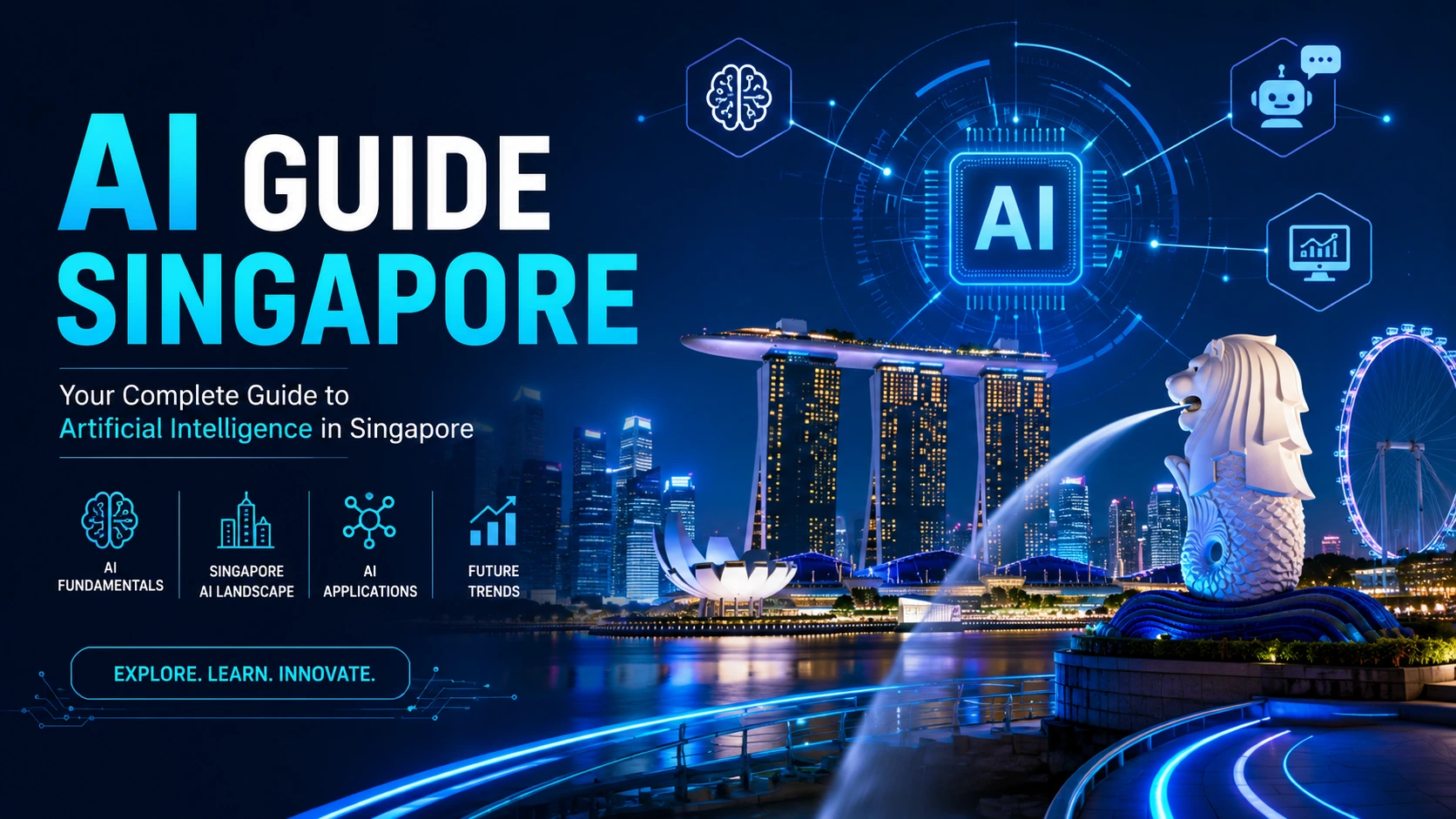
AI Guide Singapore: Everything You Need to Know in 2026
Artificial intelligence isn’t just another technology trend anymore—it has quietly become part of everyday life. From smart customer service and healthcare innovations to banking, retail, logistics, and education, AI is helping businesses and individuals work smarter. If you’re searching for a practical AI Guide Singapore, you’ve landed in the right place.
Whether you’re a student, entrepreneur, business owner, or simply curious about the future, this AI Guide Singapore explains everything in simple language. No confusing technical jargon. Just useful insights, practical examples, and real-world applications that actually matter.
1. What Is Artificial Intelligence?
Artificial Intelligence, commonly called AI, refers to computer systems designed to perform tasks that usually require human intelligence. These tasks include learning, understanding language, recognizing images, making predictions, solving problems, and even generating content.
This AI Guide Singapore starts with the basics because understanding AI doesn’t require a computer science degree. In fact, most people already use AI every day without realizing it. Voice assistants, online shopping recommendations, navigation apps, spam filters, and chatbots all rely on AI.
Pretty amazing when you stop and think about it…
2. Why AI Is Growing So Quickly in Singapore
Singapore has become one of Asia’s leading technology hubs. The country’s digital infrastructure, innovation-friendly environment, and strong investment in emerging technologies make AI adoption much faster than many other nations.
Businesses across different industries continue investing in AI because it saves time, improves accuracy, reduces costs, and enhances customer experiences. That’s exactly why an AI Guide Singapore has become valuable for professionals and organizations alike.
And the momentum doesn’t seem to be slowing down anytime soon.
3. Industries Using AI in Singapore
One of the biggest strengths of AI is its flexibility. Almost every industry can benefit from it.
Here’s where this AI Guide Singapore becomes especially useful:
- Healthcare uses AI for medical imaging, patient monitoring, and diagnosis support.
- Banking applies AI for fraud detection, automated customer support, and financial analysis.
- Retail businesses personalize shopping experiences using AI recommendations.
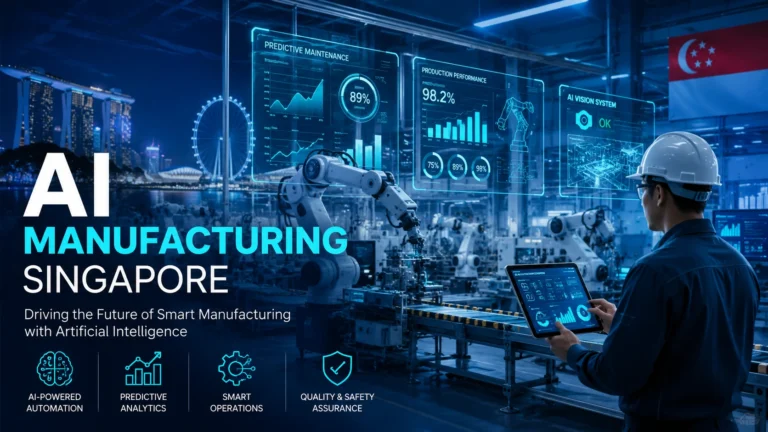
- Manufacturing improves production efficiency through predictive maintenance.
- Logistics companies optimize delivery routes and warehouse operations.
- Education platforms create personalized learning experiences.
- Government agencies improve digital public services with intelligent automation.
Each industry adopts AI differently, yet the overall goal remains similar—working smarter instead of harder.
4. Benefits of Using AI
People often ask whether AI is worth the investment.
Honestly… in many situations, yes.
This AI Guide Singapore highlights several major advantages:
- Increased productivity
- Faster decision-making
- Lower operational costs
- Improved customer support
- Better data analysis
- Reduced human error
- Automation of repetitive tasks
Instead of replacing employees entirely, AI often allows teams to focus on higher-value work that requires creativity and critical thinking.
5. Popular AI Technologies You Should Know
Understanding the different branches of AI makes everything much easier.
This AI Guide Singapore introduces some common technologies:
Machine Learning
Systems learn from historical data to improve future predictions.
Natural Language Processing
Allows computers to understand and generate human language.
Computer Vision
Enables machines to recognize images and videos.
Generative AI
Creates text, images, videos, presentations, and even software code.
Robotic Process Automation
Automates repetitive office tasks with minimal human involvement.
These technologies often work together rather than independently.
6. How Businesses Can Start with AI
Many business owners believe AI requires huge budgets.
That’s not always true.
This AI Guide Singapore recommends starting with one business challenge instead of trying to automate everything.
For example:
- Automate customer inquiries.
- Generate marketing content.
- Analyze sales reports.
- Forecast inventory demand.
- Improve email responses.
Small improvements often create surprisingly large results over time.
7. Choosing the Right AI Tools
Not every AI tool fits every business.
That’s why this AI Guide Singapore recommends evaluating tools based on:
- Ease of use
- Security
- Integration options
- Pricing
- Customer support
- Scalability
- Industry relevance
Sometimes the simplest solution delivers the biggest return on investment.
And that’s easy to overlook.
8. AI Skills That Matter Today
Learning AI doesn’t mean becoming a programmer.
Far from it.
This AI Guide Singapore encourages professionals to develop practical skills such as:
- Writing effective AI prompts
- Data interpretation
- Critical thinking
- Digital communication
- AI ethics awareness
- Workflow automation
- Problem-solving
These skills remain valuable regardless of industry.
9. Challenges of AI Adoption
AI offers incredible opportunities, but it isn’t perfect.
Every AI Guide Singapore should also discuss the challenges.
Businesses may encounter:
- Data privacy concerns
- Integration difficulties
- Employee training requirements
- Initial implementation costs
- Bias in AI-generated results
- Regulatory compliance
The key is responsible implementation rather than blind adoption.
10. The Future of AI in Singapore
Looking ahead, AI will continue transforming nearly every industry.
This AI Guide Singapore expects stronger adoption in healthcare, finance, education, cybersecurity, transportation, sustainability, smart cities, and public services.
Businesses that begin learning AI today will likely adapt much faster to tomorrow’s digital economy.
But nobody has to master everything overnight.
Learning step by step works just fine.
Practical Tips for Getting Started with AI
If you’re completely new to AI, don’t worry.
This AI Guide Singapore recommends keeping things simple.
Start by identifying repetitive tasks in your daily work. Explore beginner-friendly AI tools. Learn prompt writing. Experiment with automation. Measure results. Improve gradually.
The goal isn’t perfection.
It’s progress.
Even spending a few hours each week exploring AI can build confidence surprisingly quickly.
Why AI Literacy Matters
Digital skills are becoming essential across almost every profession. Whether you work in marketing, finance, healthcare, education, retail, or manufacturing, understanding AI provides a competitive advantage.
This AI Guide Singapore isn’t just about technology—it is about preparing for future opportunities. People who understand how AI works can make better decisions, collaborate more effectively, and adapt to changing workplace demands.
And honestly… curiosity goes a long way.
Conclusion
Artificial intelligence is reshaping how Singapore lives, works, and innovates. From small businesses to multinational enterprises, AI is becoming a practical tool rather than a futuristic concept. This AI Guide Singapore has explored what AI is, where it’s being used, its benefits, common challenges, essential skills, and future opportunities. Whether you’re beginning your AI journey or looking to expand your knowledge, using this AI Guide Singapore as a starting point will help you make informed decisions and confidently embrace the future of intelligent technology.
Frequently Asked Questions
1. What is AI Guide Singapore?
AI Guide Singapore is a resource that helps individuals and businesses understand artificial intelligence, its applications, benefits, and practical adoption within Singapore.
2. Is AI only for large companies?
No. Small businesses, startups, freelancers, and individuals can all use affordable AI tools to improve productivity and efficiency.
3. Which industries benefit most from AI in Singapore?
Healthcare, finance, education, retail, logistics, manufacturing, and government services are among the biggest adopters of AI.
4. Do I need programming skills to use AI?
Not necessarily. Many AI platforms are beginner-friendly and require little or no coding experience.
5. Is AI expected to grow in Singapore?
Yes. AI adoption continues expanding across industries, creating new opportunities for businesses, professionals, and students alike.